Pune: Khadakwasla Dam Storage Hits Decade-High Mark by June-End, City Unlikely to Face Water Cuts
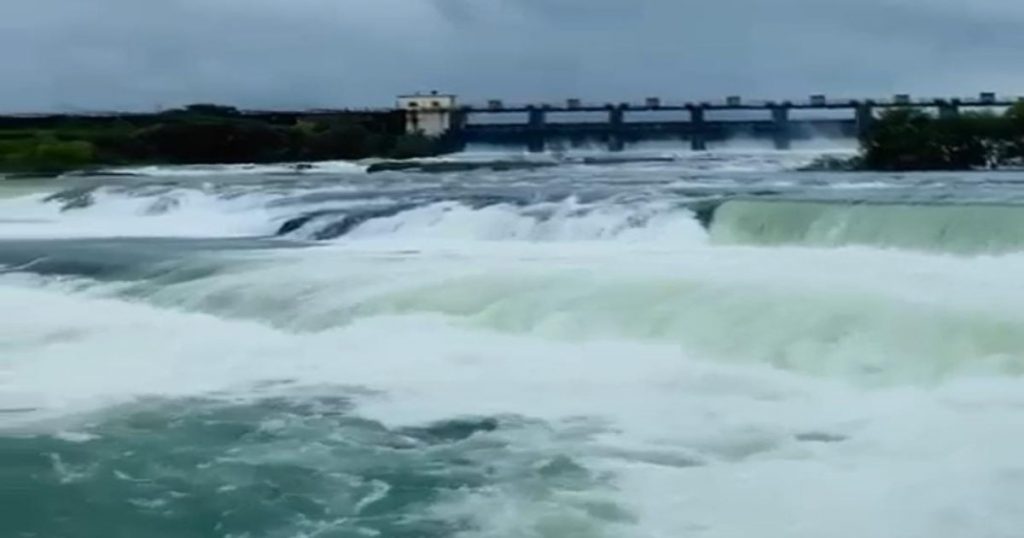
Pune, 1st July 2025: The combined water stock in the four major dams of the Khadakwasla circle reached 14.5 TMC on Monday, crossing the halfway mark of their total capacity of 29.15 TMC. This is the highest storage recorded by the end of June in over 10 years, providing major relief to Pune amid rising water demands.
Officials from the Irrigation Department confirmed that the current storage has already surpassed the annual sanctioned quota of 11.5 TMC allocated to the Pune Municipal Corporation (PMC).
“This is an encouraging situation,” said a senior official from the irrigation circle. “Considering that we’re yet to enter the peak monsoon months of July and August, we expect further increase in dam levels. The present storage is reassuring—it indicates the city is well-positioned to avoid any immediate water cuts.”
City Draws More Water Than Sanctioned
While PMC’s official annual quota is 11.5 TMC, another official acknowledged that the civic body lifts over 18 TMC from the Khadakwasla circle dams every year. “Despite the excess withdrawal, current levels suggest we won’t be facing any crisis soon,” the official said.
10 TMC Added in Just One Month
The four dams—Khadakwasla, Panshet, Varasgaon, and Temghar—have collectively added 10 TMC of water stock in the past month alone. Compared to last year, this marks a significant increase. “In June 2024, the storage was around 4.5 TMC, so this year’s figure is 10 TMC higher,” the official noted.
They attributed the increase to the early onset of the southwest monsoon and a series of intense rain spells in the Bhima basin. “Most of the dams in the basin have shown similar trends, with healthy inflow observed across the region,” he added.
Other Key Dams Also Show Promising Levels
Elsewhere, the Bhama Askhed dam, which supplies drinking water to eastern Pune, stood at 41% capacity, while Pavana dam, a crucial water source for Pimpri-Chinchwad, recorded 58% storage as of Monday.
With rainfall activity expected to intensify in July, irrigation officials are hopeful that dam levels will continue to rise, ensuring a stable supply for both urban consumption and agricultural use.