Explained: How Netanyahu Pulled the US into War with Iran Despite Nuclear Deal Talks
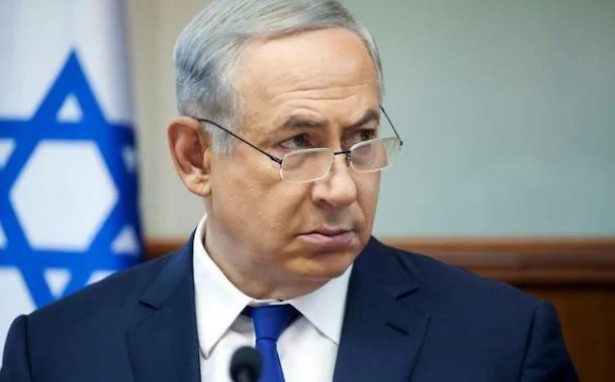
New Delhi, 2nd March 2026: As the Middle East witnesses one of its most serious military escalations in decades, questions are being raised over how Israel managed to pull the United States into a direct conflict with Iran—despite the absence of conclusive evidence that Tehran was building nuclear weapons. The killing of Iran’s Supreme Leader Ayatollah Ali Khamenei has further intensified debate over whether this war serves Israeli interests more than American ones.
Here is a chronological account of how diplomacy collapsed, military action took over, and why the conflict may not end with regime change in Iran.
Background: diplomacy derailed twice
In June 2025, the United States and Iran were engaged in negotiations to revive a nuclear deal. At a critical moment, Israel launched attacks on Iranian nuclear facilities, citing Iran’s nuclear programme as an existential threat. The US later joined the offensive, even though American intelligence agencies found no concrete evidence that Iran was building nuclear weapons.
A similar situation unfolded in February 2026. Talks between Washington and Tehran had resumed and were reportedly close to a breakthrough. However, Israel and Saudi Arabia persuaded US President Donald Trump to authorise fresh military action against Iran. Analysts believe Trump was once again drawn into a conflict largely driven by Israeli Prime Minister Benjamin Netanyahu’s long-standing hostility towards Iran.
How Netanyahu convinced Trump to strike Iran
Netanyahu has for nearly two decades warned that Iran is on the verge of acquiring nuclear weapons. On February 4, 2025, he met Trump in the US, a meeting that laid the groundwork for the June 2025 strikes.
Israel’s intelligence agencies claimed Iran was secretly preparing a nuclear bomb. However, a March 31, 2025 report by the International Atomic Energy Agency stated that while Iran had enriched uranium up to 60 percent purity, there was no evidence of a covert nuclear weapons programme. US intelligence agencies echoed this assessment.
IAEA chief Rafael Grossi publicly stated in June 2025 that there was no proof Iran was developing nuclear weapons. Despite this, Netanyahu remained determined to attack.
According to reports, Trump initially opposed Israeli military action, fearing it would derail nuclear talks. The New York Times reported that Trump privately warned Netanyahu and told aides he was being dragged into a potential Middle East war, contradicting his promise to keep the US out of foreign conflicts.
When negotiations stalled, Israeli officials argued that military pressure would make a deal easier. Netanyahu was also preparing to strike Iran even without US support. Unable to restrain Israel, the Trump administration eventually backed the operation.
On June 9, 2025, Netanyahu reportedly informed Trump that Israeli forces had already begun operations inside Iran. Days later, large billboards appeared in Tel Aviv urging Trump to “finish the job.” By June 22, Trump authorised US B-2 bombers to strike Iranian nuclear sites, causing extensive damage and setting Iran’s nuclear programme back by several years.
Why the US struck Iran again in 2026
After the June 2025 attacks, some reports claimed Iran’s nuclear capabilities had not been fully destroyed. In October 2025, Netanyahu raised a new concern, alleging Iran was developing intercontinental ballistic missiles with a range of 8,000 kilometres—claims Iran consistently denied.
Despite these allegations, the Trump administration signalled in early February 2026 that it preferred diplomacy. Talks resumed with mediation from Oman. US special envoy Steve Witkoff and Trump’s son-in-law Jared Kushner engaged Iranian leaders on nuclear and missile issues.
On February 26, 2026, the third round of talks was held in Geneva. Two days later, Oman’s Foreign Minister Badr Albusaidi said a peace agreement was within reach, adding that Iran had committed to giving up material required to build a nuclear bomb.
Technical discussions were scheduled in Vienna the following week. Before they could begin, Israel and the US launched fresh attacks on Iran—marking the second time strikes occurred just ahead of decisive negotiations.
According to The Washington Post, Israel and Saudi Arabia had been lobbying Washington for weeks. Saudi Crown Prince Mohammed bin Salman, while publicly calling for diplomacy, reportedly made multiple private calls urging Trump to take military action. His brother, Defence Minister Khalid bin Salman, conveyed similar warnings to US officials.
On February 19, Trump publicly stated that Iran had 10 days to agree to a deal or face consequences, despite having earlier claimed that Iran’s nuclear programme was already destroyed. Days later, from his Mar-a-Lago resort, Trump recorded a video announcing large-scale strikes. The following day, he authorised the attack.
Is this Netanyahu’s personal war against Iran?
Public opinion in the US has largely opposed war with Iran. A University of Maryland survey found only 21 percent of Americans supported military action. Lawmakers such as Rashida Tlaib accused Trump of ignoring public sentiment and acting in line with Israeli interests.
Despite Trump’s “America First” rhetoric, Israel had two clear objectives. First, to prevent any rapprochement between the US and Iran. Experts argue that a nuclear deal would have lifted sanctions and given Iran economic and diplomatic leverage.
Second, Israel aimed to weaken Iran as its last major regional rival. Groups hostile to Israel—such as Hamas, Hezbollah and the Houthis—have been significantly weakened. Iran remains the only state capable of challenging Israeli influence in the region.
Observer Research Foundation senior fellow Sushant Sareen said Israel’s primary goal was to weaken Iran and, ideally, pave the way for a government in Tehran that is either friendly or not openly hostile to Israel.
Who benefits more: Israel or the US?
Israel remains the largest recipient of US military and economic aid. According to a Council on Foreign Relations report, the US has provided Israel over $300 billion since 1948. Under a 2019 agreement, Israel receives $3.8 billion annually in military assistance.
Following Hamas’ attacks, Washington approved additional funding worth trillions of dollars by April 2024. From the US perspective, a leadership change in Iran could expand American influence across the Middle East, where it already operates military bases in Qatar, Iraq, Syria, Jordan, Kuwait and Saudi Arabia.
Why Arab countries did not back Iran
The Sunni-Shia divide plays a central role. Saudi Arabia and Iran have long competed for regional leadership. Sunni-majority states such as Saudi Arabia, Qatar and the UAE maintain strong military and economic ties with the US and view Iran’s nuclear ambitions as a threat.
Iran’s support for groups like the Houthis and Hezbollah has also alarmed several Islamic nations. Additionally, Arab states rely on US security guarantees and have pledged not to pursue nuclear weapons, making Iran’s programme a concern for them as well.
Will killing Khamenei change Iran?
Experts say eliminating Ayatollah Ali Khamenei does not guarantee regime change. Sareen warned that his killing could fuel anti-US and anti-Israel sentiment among Iranians, especially as civilians have borne the brunt of airstrikes.
Sanam Vakil, director of the Middle East programme at the Royal Institute of International Affairs in London, said Iran had already planned for leadership succession. She noted that no viable opposition exists that could take power with foreign backing.
Analysts agree that without deploying ground troops, controlling Iran through airstrikes alone is nearly impossible—making long-term outcomes uncertain despite the scale of the military campaign.