From Lifeline to Landfill: Ahilyanagar’s Kapurwadi Lake’s Struggle Against Plastic Pollution
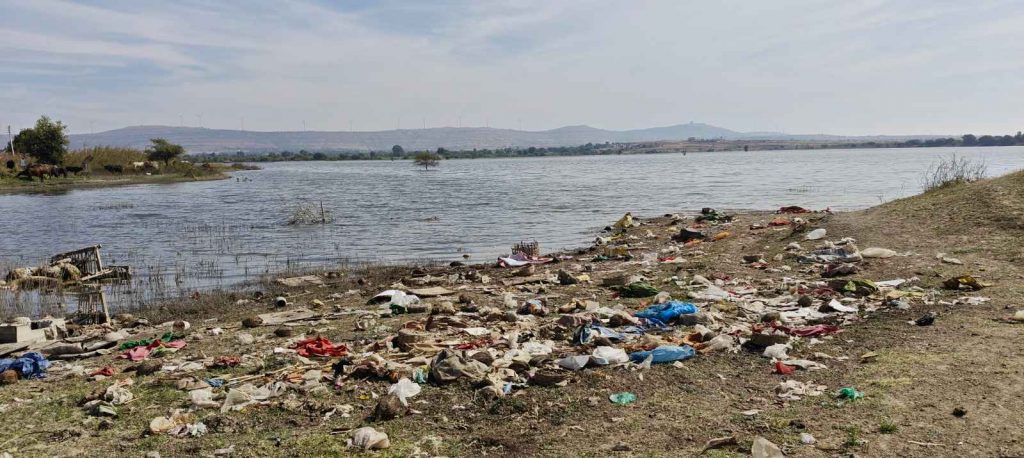
Ahilyanagar, 24th December 2025: Kapurwadi Lake, once a vital freshwater reservoir supporting irrigation, groundwater recharge and local biodiversity, is facing a serious environmental crisis due to unchecked dumping of plastic waste and household debris. The rain-fed lake, which has sustained nearby communities for generations, is now increasingly clogged with solid waste, raising concerns over ecological damage, public health risks and the loss of an important natural heritage.
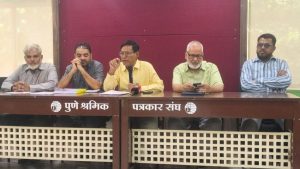
The issue has been brought to the forefront by BJP member and civil rights activist Jaymala Dhankikar from Pune, who has taken up the cause of conserving Kapurwadi Lake. Dhankikar has submitted formal representations to the Chief Minister’s Office, the Union Ministry of Environment, Forest and Climate Change, the Maharashtra State Environment Ministry, the District Collector, the Divisional Commissioner, as well as the Central and Maharashtra Pollution Control Boards, seeking urgent intervention to halt further degradation and initiate restoration measures.
Environmentalists point out that Kapurwadi Lake is not merely a water source but also an important habitat for birds and other wildlife. Local birdwatchers have documented 25 to 30 bird species during winter months, including wood sandpipers, purple herons, red-crested pochards and Asian koels. The wetlands around the lake serve as crucial feeding and nesting grounds for resident and migratory birds. Conservation groups warn that continued pollution could irreversibly damage these habitats, threatening biodiversity across the region.
Plastic pollution has emerged as the most immediate threat. Residents report that large sections of the lake’s shoreline and bed are strewn with plastic bags, bottles and mixed waste, obstructing natural water percolation and degrading water quality. Data from the Maharashtra Pollution Control Board shows that enforcement agencies seized over 14.5 tonnes of single-use plastic across the state between June 2024 and January 2025, but activists say rural and semi-urban water bodies like Kapurwadi remain especially vulnerable due to weak monitoring and inadequate waste management systems.
Local villagers, supported by Dhankikar, have repeatedly raised concerns about the lake’s worsening condition. They allege that unregulated dumping and the absence of systematic cleanup efforts are contributing to environmental as well as public health hazards. In her petitions, Dhankikar has called for an immediate environmental assessment, removal of accumulated waste and strict action against illegal dumping, along with a long-term conservation plan involving scientific restoration and community participation.
Environmental groups have also urged intervention by regulatory bodies such as the National Green Tribunal (NGT), arguing that Kapurwadi Lake qualifies for oversight under wetland protection norms. They have sought inspections and coordinated action by the Maharashtra Pollution Control Board and technical guidance from the Central Pollution Control Board to ensure compliance with environmental standards.
Experts warn that continued neglect could lead to deteriorating water quality, loss of wildlife habitat, reduced groundwater recharge and increased risk of waterborne diseases for nearby communities. As freshwater ecosystems across India face mounting pressure, activists say protecting Kapurwadi Lake is critical not only for Ahilyanagar district but also as a broader example of safeguarding vulnerable water bodies in semi-arid regions.
Calling for swift action, environmentalists have demanded independent ecological audits, immediate cleanup operations, stronger waste management systems and formal recognition of Kapurwadi Lake as a protected water body, with sustained monitoring and community involvement to ensure its long-term survival.