How Robotic Knee Surgery Is Helping Pune’s Elderly Reclaim Their Independence
By Dr. Rohit Chakor
Pune, 15th June 2026: Knee osteoarthritis is one of the leading causes of pain and disability among older adults. A 2025 systematic review and meta-analysis of Indian studies estimated that nearly 47% of people aged 60 years and above suffer from knee osteoarthritis, with a higher prevalence among women. As India’s elderly population continues to grow, an increasing number of seniors are experiencing joint degeneration that affects mobility, independence, and overall quality of life.
Advances in orthopaedic surgery are offering new possibilities for patients who have exhausted conservative treatment options. In Pune, robotic-assisted knee replacement surgery is emerging as an important tool in the management of advanced knee arthritis. One such technology is the VELYS™️ Robotic-Assisted Solution by Johnson & Johnson, which provides surgeons with real-time intraoperative data to help optimize bone preparation and implant positioning according to the patient’s unique anatomy. Unlike some robotic systems, VELYS does not require a pre-operative CT scan.
Multiple studies comparing robotic-assisted total knee arthroplasty with conventional techniques have demonstrated greater accuracy in implant alignment and positioning. Robotic systems have been shown to reduce alignment outliers—cases where the mechanical axis falls outside the intended range. While long-term functional outcomes are generally comparable between robotic and conventional methods, several studies have reported benefits in early recovery, including improved pain control and faster return to function.
One such example is a 73-year-old woman from Pune’s Wanowrie area who had been struggling with severe knee pain and stiffness due to advanced osteoarthritis. Everyday activities such as climbing stairs, walking to her local temple, and performing household tasks had become increasingly difficult. The condition gradually limited her independence and affected her daily routine.
Following a detailed evaluation, she underwent robotic-assisted total knee replacement using the VELYS system. The technology enabled precise surgical planning and execution tailored to her anatomy. She was able to stand and walk short distances with support on the day after surgery and was discharged within a few days. With dedicated physiotherapy and rehabilitation, her mobility steadily improved over the following weeks. Within two months, she had resumed her morning temple visits and was once again able to spend active time with her grandchildren.
Early mobilization is a cornerstone of modern knee replacement protocols. Robotic-assisted procedures, including those performed using the VELYS platform, often support enhanced recovery pathways that allow suitable patients to begin walking within hours of surgery and, in some cases, return home within one to two days. A 2025 study evaluating VELYS-assisted knee replacement reported improved early postoperative outcomes and better patient-reported scores at six months compared with conventional techniques in the study population.
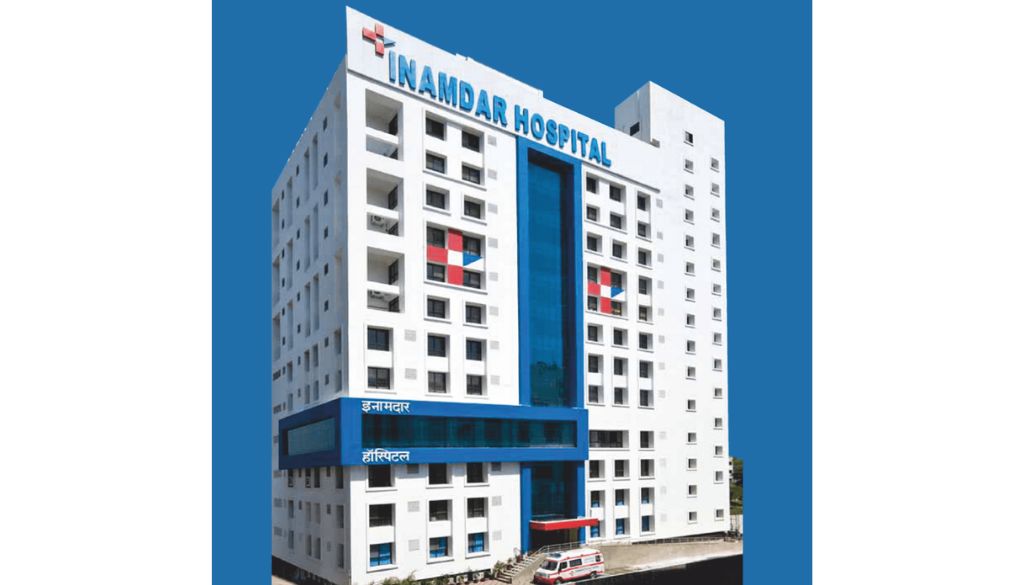
In Pune, orthopaedic surgeons such as Dr. Rohit Chakor at Inamdar Multispeciality Hospital have incorporated robotic-assisted knee replacement into their practice for appropriately selected patients. However, the success of knee replacement surgery depends on multiple factors, including patient health, surgical expertise, implant selection, and adherence to rehabilitation protocols. Robotic technology serves as an adjunct to surgical skill rather than a replacement for it.
As India’s senior population continues to expand, technologies that enhance surgical precision and support faster early recovery may play an increasingly important role in geriatric orthopaedic care. For families caring for elderly loved ones with persistent knee pain, discussing both conventional and robotic-assisted treatment options with a qualified orthopaedic surgeon can help determine the most appropriate path toward restoring mobility and independence.
(Dr. Rohit Chakor is Orthopaedic Surgeon | Robotic Joint Replacement | Arthroscopy & Sports Medicine Specialist at INAMDAR MULTISPECIALITY HOSPITAL Fatima Nagar – PUNE)