No Car Washes, No Swimming Pool Filling: Pune’s Strict New Water Rules Explained
Reported by Mubarak Ansari
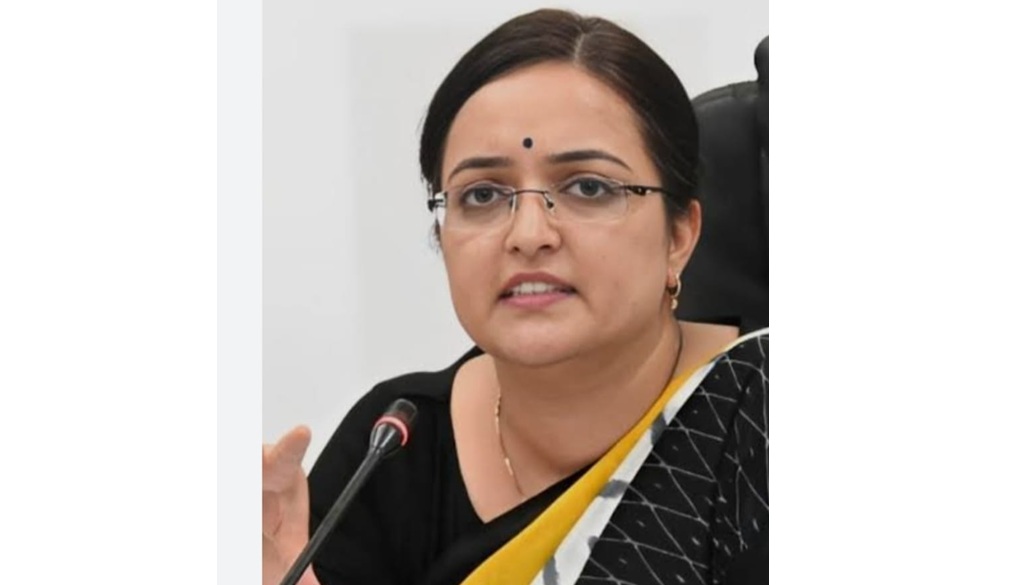
Pune, 20th June 2026: With the city staring at a potential water crisis, the Pune Municipal Corporation (PMC) on Saturday issued a stringent administrative directive mandating strict water conservation measures across all civic limits. The office order, signed by PMC Additional Municipal Commissioner Pavneet Kaur, places a blanket ban on using drinking water for non-essential activities, introduces flat fines of ₹10,000 for violations, and warns that repeat offenders will face criminal prosecution.
The civic body’s proactive intervention comes on the heels of the Indian Meteorological Department’s (IMD) updated long-range monsoon forecast. Released on May 29, 2026, the IMD forecast indicates a weak southwest monsoon (June to September 2026) with an overwhelming 60% probability of rainfall dropping below 90% of the Long Period Average (LPA). Conversely, there is only a meager 14% chance of normal rainfall, and a 24% probability of rainfall ranging between 90% and 95% of the LPA, further compounded by the adverse influence of El Niño.
“Considering the available water resources and the weak monsoon forecast released by the IMD, it has become absolutely imperative to enforce strict water conservation measures across the Pune Municipal Corporation limits,” Additional Municipal Commissioner Pavneet Kaur stated in the official order. “We have established direct, department-level accountability to monitor water usage, curb preventable wastage, and strictly penalize any non-compliance.”
To combat municipal water waste, the PMC has instituted several strict regulations with immediate effect:
Closure of Vehicle Washing Centers: All public and private vehicle washing centers within PMC limits must remain closed during the water-cut period. Assistant Municipal Commissioners (Ward Officers) have been directed to inspect their respective areas, with a ₹10,000 fine mandated for any centers found operating.
Swimming Pools & Private Gardens banned from using Drinking Water: The use of potable drinking water for public or private swimming pools and private gardens is completely prohibited. Violations will attract a ₹10,000 fine.
STP Mandate for Housing Societies: Private residential societies will be served notices by municipal inspectors making Sewage Treatment Plant (STP) operation mandatory. Societies must immediately restore defunct STPs and reuse treated water for gardening and toilet flushing.
Water Tank Overflow Penalties: Citizens are instructed to prevent municipal water tanks from overflowing by installing automatic float valves. PMC inspectors will levy a ₹10,000 fine on property owners if a tank is found overflowing.
Bans on Construction and Road Infrastructure Sites: The Building Development, Building Proposal, and Road Departments have been ordered to ensure zero usage of drinking water for construction or road-laying projects. Builders and contractors must strictly use STP-recycled water or borewell/well water. If PMC engineers detect drinking water being used, work on the site will be halted immediately, and a ₹10,000 fine will be slapped on the contractor.
Water Tanker Leakages: The Water Supply Department must ensure PMC and private water tankers do not leak. A penalty of ₹10,000 will be charged directly to the owners of leaking tankers.
Public Awareness & Speaker Vans: Ward offices have been ordered to deploy mobile speaker vans driven by local Mukadams and Health Inspectors to raise awareness about water scarcity, guidelines, and conservation methods.
In a move to deter chronic water waste, the civic administration has established a zero-tolerance policy for repeat offenders.
“If any citizen, contractor, or organization is found violating these rules twice and is penalized, a third occurrence will result in the registration of a formal criminal case (FIR) against them under relevant laws,” Kaur warned in the directive.
To ensure seamless implementation, every municipal department is required to designate a Nodal Officer. These officers will supervise daily enforcement operations and submit progress and penalty reports to the Water Supply Department. Furthermore, the PMC has banned the use of drinking water for its own municipal-maintained gardens, signaling its intent to lead by example.