Pune Court Flags Procedural Lapse in DRDO Scientist Pradeep Kurulkar Espionage Case
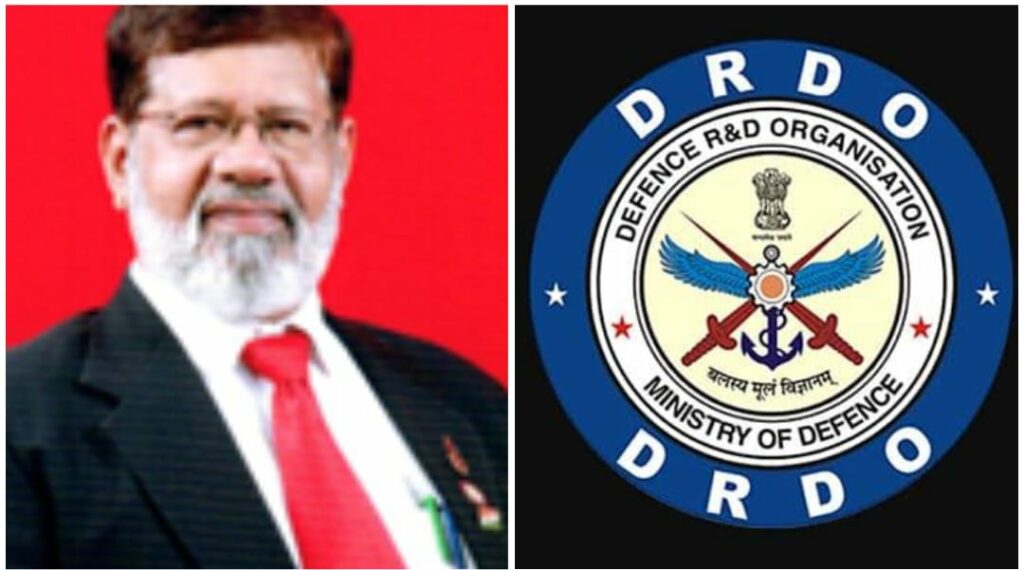
Pune, 18th March 2026: A sessions court has identified a key procedural lapse in the case against former DRDO director Dr Pradeep Kurulkar, who is accused of sharing sensitive defence information with Pakistan’s intelligence agency, the ISI.
The court noted that the provisions of Section 13 of the Official Secrets Act, were not properly followed during the initiation of legal proceedings. As per the law, cognisance of such offences can only be taken upon a complaint filed before a magistrate with due sanction from the competent authority, and not merely on the basis of a police report or chargesheet.
Taking note of the defence’s argument, the sessions court directed the Anti-Terrorism Squad (ATS) to submit the chargesheet before a competent magistrate court. Accordingly, the case will now proceed before a First Class Judicial Magistrate designated for ATS matters.
Kurulkar was arrested by the Maharashtra Anti-Terrorism Squad in 2023 for allegedly passing classified defence-related information. A chargesheet running into nearly 2,000 pages was subsequently filed before a special court.
He has been in judicial custody for the past three years. After his bail plea was rejected by the sessions court, Kurulkar approached the Bombay High Court, where his bail application is currently pending for orders after both sides concluded their arguments.
During the proceedings, the special public prosecutors submitted a draft for framing of charges against the accused. However, following the sessions court’s direction, Kurulkar was produced before the magistrate court, where the defence raised the issue of jurisdiction and procedural compliance.
Advocates Rishikesh Ganu and Raghav Puranik, representing Kurulkar, argued that the mandatory provisions under Section 13 of the Official Secrets Act were not adhered to, thereby rendering the proceedings legally flawed. The court subsequently issued directions in line with this contention.
Under the Official Secrets Act, offences related to sharing classified information or acts of espionage require prior sanction from the appropriate government authority before a court can take cognisance of the matter.