Pune, Mumbai, Goa: The Monsoon Is Here. Are You Ready For It?
By Samiccha Malik
Pune, 8th July 2026: The skies have made up their minds. Across Maharashtra and Goa, July has arrived the way it always does loudly, wetly, and with complete indifference to your commute plans. But before you resign yourself to three months of soggy shoes and cancelled plans, here’s everything you actually need to know to get through this monsoon healthy, safe, and in one piece.
What’s Happening Right Now
Mumbai is currently under a Red Alert. The IMD has warned of heavy to extremely heavy rainfall, and the city is already dealing with severe waterlogging across Sion, Dadar, Hindmata, Parel, Worli, Goregaon, and Andheri. Local trains are delayed, flights have been diverted, and the BMC has advised residents to stay indoors unless absolutely necessary.High tide combined with heavy rainfall is making low-lying areas particularly vulnerable.
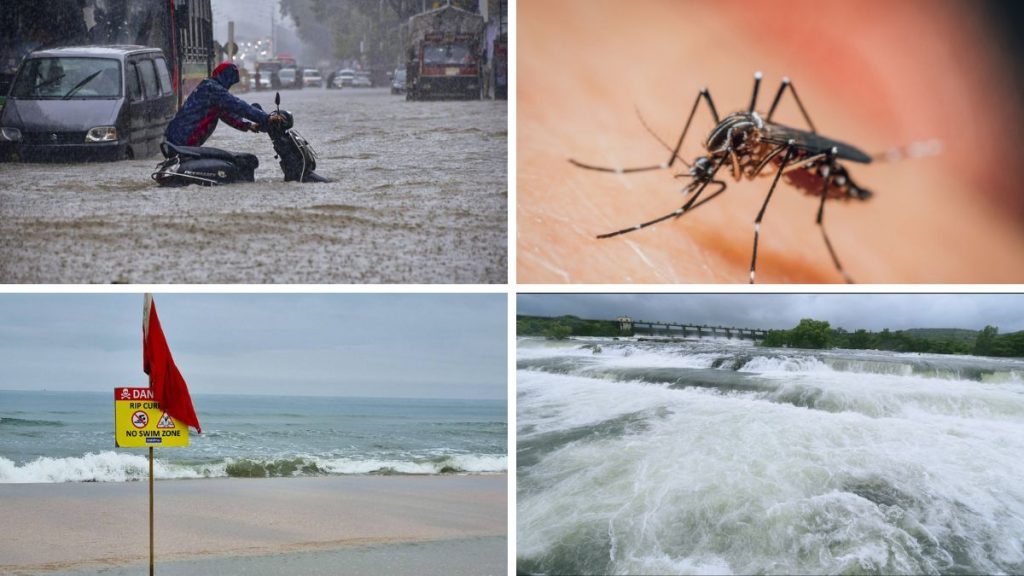
Pune’s first major spell exposed what Punekars already suspected blocked drains and incomplete pre-monsoon cleaning have already caused severe waterlogging across Katraj, Sinhagad Road, Warje, Karvenagar, Kothrud, and Koregaon Park. Two-wheelers stalled, roads resembled ponds, and traffic crawled to a halt across the city.
Goa is under heavy to very heavy rainfall warnings from the IMD through the first week of July, with isolated extremely heavy spells expected along the Konkan coast.The beaches are red-flagged, the ghats are slippery, and the state is firmly in peak monsoon mode.
Now that you know what you’re dealing with, here’s how to actually take care of yourself through it.
On the Road: The Biggest Risk You’re Probably Underestimating
More monsoon injuries happen during ordinary commutes than in dramatic flood scenarios. A waterlogged road looks manageable right until it isn’t.
Never ride your two-wheeler into standing water if you can’t see the road surface beneath it. What looks like a shallow puddle can be hiding an open manhole, a washed-out patch, or a pothole deep enough to throw you off completely. In Mumbai, Andheri Subway has already been shut due to two feet of waterlogging Mumbai Traffic Police are actively issuing area-specific closures as conditions change.Follow those updates before you leave, not after you’re already stuck.
In Pune, areas near Katraj, Sinhagad Road, Solapur Highway, and the Railway Station stretch slow down dramatically the moment rain hits. Build extra time into every commute. In Goa, the ghat roads toward Mollem and the Karnataka border become genuinely dangerous during heavy spells check road conditions before heading out.
Keep your phone charged. Keep emergency contacts saved. And on Red or Orange Alert days if you don’t have to go out, don’t.
The Dam Alert Pune Residents Must Track
Heavy monsoon showers have already been raising levels in the Khadakwasla dam chain this season.When levels rise sharply, the irrigation department begins controlled water releases into the Mutha river and the window between announcement and rising riverbank levels can be very short.
If you live near the Mutha or Mula river – Erandwane, Deccan, Shivajinagar, Sangamwadi, Koregaon Park riverside make it a habit to follow PMC and district collector social media during heavy rainfall weeks. This is not something to track casually.
Your Health: What to Watch For
This is the most important section. Pune’s hospitals, Mumbai’s clinics, and Goa’s PHCs see the same spike every single monsoon and almost every illness on that list is preventable.
Leptospirosis is the one doctors across all three cities flag most urgently. It spreads through floodwater contaminated by rat urine, and even a small cut on your foot is enough for the bacteria to enter your body. Early symptoms look exactly like a viral fever – fever, headache, muscle pain, red eyes which is why people ignore it until it becomes serious. In severe cases it can damage the liver, kidneys, and lungs.
The rule is simple : never walk barefoot in waterlogged streets. The moment you’re home after wading through flooded roads, wash your feet and legs thoroughly with soap. Cover any open wounds before stepping out.
Dengue and Malaria peak between July and September. Aedes aegypti mosquitoes – the dengue carriers can breed in water as small as a bottle cap. Check your home right now. Flower pots, cooler trays, terrace containers, anything collecting rainwater empty them every two days without fail. Use repellent when stepping out after sunset, and keep windows meshed or closed in the evenings.
Waterborne illnesses – typhoid, gastroenteritis, hepatitis A spike every monsoon because heavy rain contaminates water supply lines. Water that looks completely clear can still carry dangerous pathogens during monsoon season. Boil your drinking water or use a reliable purifier. Be careful about eating outside on heavy rain days not because vendors aren’t trying, but because wet conditions make hygiene significantly harder to maintain across the supply chain.
If you develop a fever that lasts more than two days, unusual muscle or joint pain, or any sign of jaundice during these months see a doctor immediately. Don’t wait it out. Early treatment for leptospirosis and dengue changes outcomes dramatically.
At Home: Non-Negotiable Basics
Keep a torch charged and accessible power cuts during heavy spells are common across all three cities, and losing power at 2am during a thunderstorm is an avoidable situation. Keep ORS sachets stocked at home because monsoon stomach infections hit faster than you expect and rehydrating early is the most important first response.
Store drinking water in clean, covered containers. Dispose of garbage regularly and never let it accumulate near drains or waterways. If your home has a history of seepage during heavy rain, address it now not in August when the real heavy spells arrive.
For Goa: The Beach Warning That Is Not Optional
Goa in July is one of the most stunning versions of itself – green, lush, dramatic. But the sea is a completely different entity during monsoon. The red flags on beaches are not suggestions. Rip currents during monsoon can overpower strong swimmers within seconds, and the Arabian Sea off Goa’s coast is at its most unpredictable between June and September.
Stay out of the water. Landslide risks also increase significantly on Goa’s ghat roads during sustained heavy rain. If you’re planning to go to Dudhsagar or any waterfall hike check conditions, go with a group, and never attempt it during or immediately after a red alert.
The Trekking Caution For Pune and Surrounds
The Sahyadris in monsoon are breathtaking. They are also genuinely dangerous. Trails that are easy in October become slippery and unpredictable in July. Waterfalls can rise within minutes due to upstream rain you cannot see or predict.
Do not trek solo during monsoon. Do not stand near waterfall edges for photographs. If an area is under a red alert, it is closed not a suggestion, not a maybe.
The hills will still be there in October.
The Short Version
The monsoon is here and it is not being gentle this year. Check alerts before you commute. Don’t walk barefoot in floodwater. Empty stagnant water around your home every two days. Boil your drinking water. Know your area’s flood history. And if your body is telling you something is wrong during these months listen to it early, not late.
The rain is one of the best things about living on this side of India. Take care of yourself while you enjoy it.