Pune: Timely Intervention at Inamdar Hospital Saves Expectant Mother After Uterine Rupture
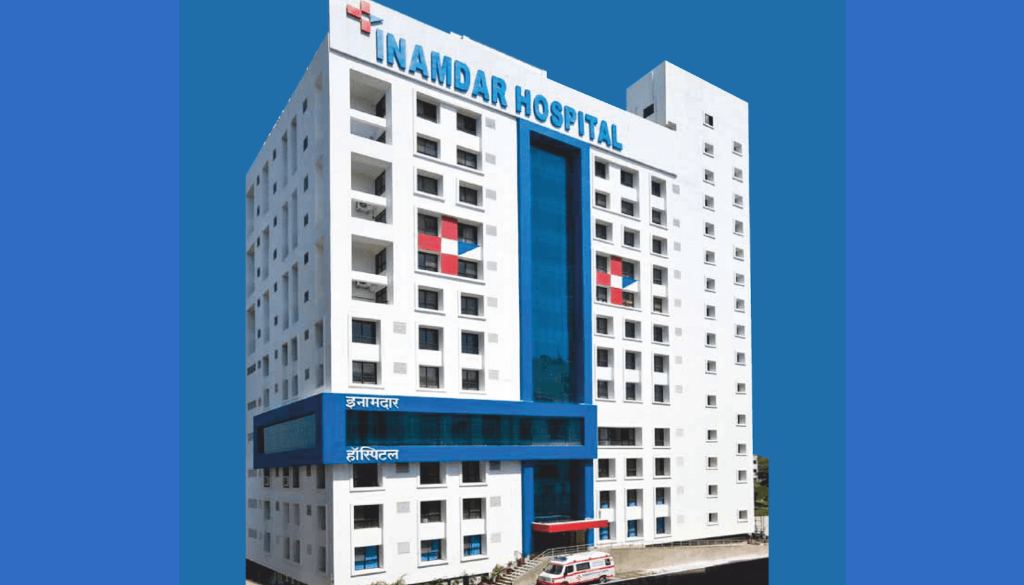
Pune, 26th August 2025: A 26-year-old expectant mother, 25 weeks pregnant, was rushed to Inamdar Multispeciality Hospital late in the evening after suddenly developing severe abdominal pain and breathlessness. On arrival around 6:30 pm, her condition was precarious—her blood pressure had fallen to 60/30 mmHg, her pulse was feeble, and she was in hypovolemic shock.
Doctors quickly suspected a ruptured uterus, a rare but often fatal complication of pregnancy. By the time investigations were complete, nearly four to five liters of blood had already filled her abdominal cavity. Both her life and that of her unborn child hung in the balance.
She was immediately shifted to the operating theatre, and by 7:00 pm, an emergency laparotomy had begun. The surgical team discovered a large rupture in the uterus, which was surgically repaired. During the procedure, four units of blood and four units of fresh frozen plasma (FFP) were transfused to stabilize her. In the process, the baby was delivered prematurely and shifted to the neonatal intensive care unit (NICU) for specialized support. Sadly, due to the extreme prematurity of just 25 weeks, the baby could not survive despite all efforts.
A History of Obstetric Challenges
The patient’s medical history underscored just how high-risk this pregnancy was. Her first delivery in 2020 had been difficult, requiring vacuum assistance, but fortunately resulted in a healthy child. However, the second pregnancy ended in abortion. In 2022, during her third pregnancy, she suffered a uterine rupture at full term that required emergency surgery, though the baby did not survive beyond 10 days. Despite regular antenatal check-ups during her current pregnancy—including scans in March and June—this sudden rupture occurred at just 25 weeks of gestation, catching everyone by surprise.
A Race Against Time
The emergency team, led by Dr. Shalini Vijay, Senior Consultant in Obstetrics and Gynecology, acted with speed and precision. “Rupture uterus is one of the most dangerous emergencies in obstetrics. The only way to save lives is through rapid recognition and immediate surgical management. In this case, every minute truly mattered,” said Dr. Vijay.
Post-surgery, the young mother was shifted to the Medical Intensive Care Unit (MICU) around 9:30 pm for close monitoring. Over the next few days, her recovery progressed steadily. By April 1, just six days later, she was stable enough to be discharged—an outcome that had seemed almost impossible when she was first brought in.
Voices of Hope and Gratitude
Speaking after her recovery, the patient shared her emotions:
“When I reached the hospital, I thought I would not survive. I had no strength left, and I could see my family breaking down. The doctors here gave me a second life. Even though my baby could not be saved because it was too early, I will always be grateful that I am alive today and can go back to my child at home.”
Lessons from a Life-Threatening Emergency
This case highlights how unpredictable obstetric emergencies can be, and how timely intervention at a tertiary care hospital can mean the difference between life and death. What makes this survival story extraordinary is the fact that the patient had already experienced one uterine rupture in a prior pregnancy, and this recurrence at an earlier gestational age was a rare, life-threatening event.
Message from Dr. Shalini Vijay and Inamdar Hospital:
“Uterine rupture is one of the gravest complications in obstetrics, and no two cases are ever the same. In this patient, the fact that rupture occurred twice—under different circumstances—shows how complex and unpredictable such cases can be. While expert care and rapid teamwork saved her life against overwhelming odds, it must be emphasized that women with such high-risk histories should seek specialized guidance before planning the next pregnancy. Every decision must be taken with extreme caution, as uterine rupture can be catastrophic. We urge patients with prior rupture or difficult deliveries to undergo pre-pregnancy counseling with experts, as timely planning can be life-saving.”
This remarkable survival was made possible because of timely recognition, immediate surgery, and multidisciplinary support—turning what seemed almost impossible into a story of hope and recovery for the mother.