Pune to Get 1,000 New Electric Buses Under Pradhan Mantri e-Drive Scheme
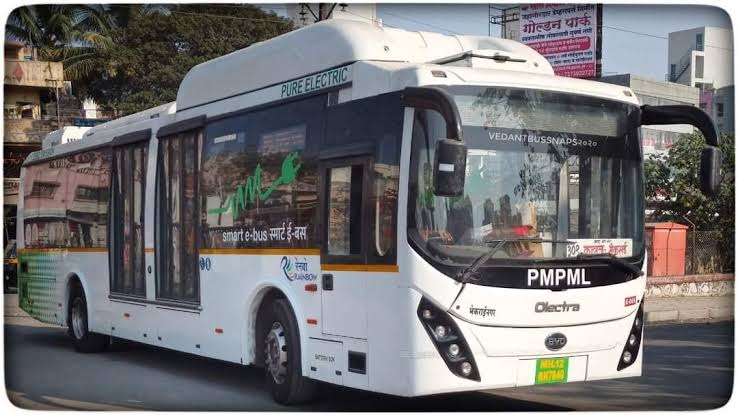
Pune, 14th October 2025: Pune’s public transport system is set for a major upgrade, with 1,000 new electric buses to be inducted into the Pune Mahanagar Parivahan Mahamandal Limited (PMPML) fleet under the central government’s ‘Pradhan Mantri e-Drive’ scheme.
According to Union Minister of State for Civil Aviation Muralidhar Mohol, a proposal for the purchase of these buses has been submitted to the Reserve Bank of India (RBI) and the Union Ministry of Heavy Industries as per the state government’s directions.
“We have met Union Heavy Industries Minister H. D. Kumaraswamy and discussed the matter in detail. He has responded positively,” Mohol said in a press release issued on Monday.
City’s Growing Transport Demand
Mohol highlighted that with Pune’s rapid urbanization and population growth, the pressure on its public transport system has significantly increased. “Traffic congestion and rising pollution levels have become serious issues for citizens. While PMPML currently operates about 2,000 buses, the city requires nearly 4,000 buses to adequately support the expanding Pune Metro network and meet the growing commuter demand,” he said.
Following a meeting with Chief Minister Devendra Fadnavis, a proposal for the procurement of these electric buses was sent to the RBI. Mohol added that the bank has agreed to provide financial assistance and guarantee for the purchase, and an official proposal has now been forwarded to the Union government for final approval.
Strengthening Pune’s Public Transport
The initiative aligns with the government’s goal of promoting eco-friendly, sustainable urban mobility. “While we are expanding metro lines to strengthen Pune’s public transport, empowering PMPML is equally crucial. These efforts by the state government will give a significant boost to the city’s transport infrastructure,” Mohol said.
Once approved, the addition of 1,000 e-buses is expected to reduce the city’s carbon footprint, improve last-mile connectivity, and provide citizens with a cleaner and more efficient mode of transport.