Study Reveals PMPML’s Bus Frequency Reality in Pune : A 5-Minute Walk to Transit, a Long Wait for the Bus
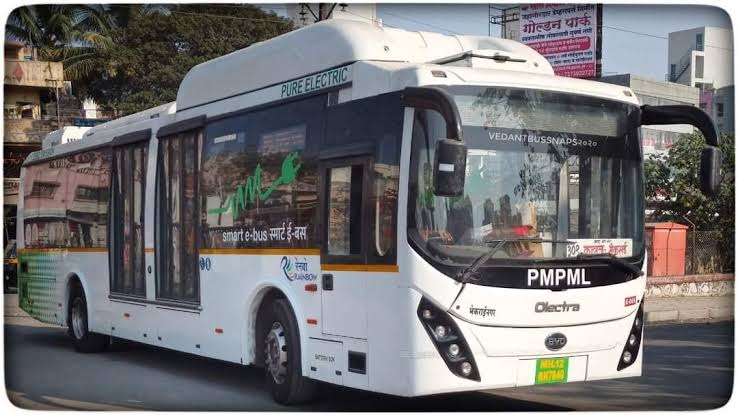
Pune, 29th August 2026: Public transport may be within a 5-10 minute walk for most residents of Pune and Pimpri-Chinchwad, but frequent bus services remain out of reach for nearly four in five people, according to the People Near Transit (PNT) 2026 Study by Pune Mahanagar Parivahan Mahamandal Limited (PMPML).
The study found that 94% of the twin cities’ population can access public transport, including buses and Metro, within a 400-800 metre walk. However, only 21% have access to a bus stop served by a bus at least once every five minutes.
The sharp decline in frequent-transit access is one of the study’s key findings. The figure has dropped from 66% in 2019 to 21% in 2026, with frequent bus services now concentrated largely along Bus Rapid Transit System (BRTS) corridors.
The PNT 2026 Study was prepared with technical support from the Institute for Transportation and Development Policy (ITDP) and launched at a PMPML Board of Directors meeting on August 24.
The study attributed the decline in frequent services primarily to the expansion of PMPML’s route network into newly developed areas without a corresponding increase in fleet strength. PMPML currently operates around 2,000 buses on more than 450 routes.
It identified 16 public bus transit deserts—densely populated areas where bus frequency has not kept pace with demand. Eight are in Pune — Baner, Dhanori, Dhayari, Handewadi, Kondhwa, Kothrud, Ambegaon and Wadgaon Sheri — and eight in Pimpri-Chinchwad — Akurdi, Bhosari, Chikhali, MIDC, Rahatani, Sangavi, Talwade and Wakad.
The survey also highlighted gaps in frequent public transport access among key population and infrastructure categories. Only 20% of employment centres and 30% of schools have access to frequent bus services, while just 37% of notified slums have such access. Further, only 47% of bus stops are connected to the city’s Healthy Streets pedestrian network.
The study, however, points to significant scope for improvement without necessarily requiring an entirely new network. ITDP Deputy Manager Aditya Rane said restructuring routes currently operating at 10-20 minute intervals to provide five-minute frequencies could increase the share of the population with access to frequent transit from 21% to 61%.
According to the study, the intervention could improve service levels in 10 of the 16 identified transit deserts and bring Pune and Pimpri Chinchwad closer to the Viksit Maharashtra 2047 target of providing frequent transit access in at least 60% of city wards.
PMPML chairman and managing director Mahesh Awhad said fleet augmentation would be critical to addressing the gap. PMPML has already tendered 1,000 CNG buses and is expected to receive another 1,000 electric buses under the PM E-DRIVE Scheme.