How India’s Modern Aesthetics Are Powering Everyday Confidence
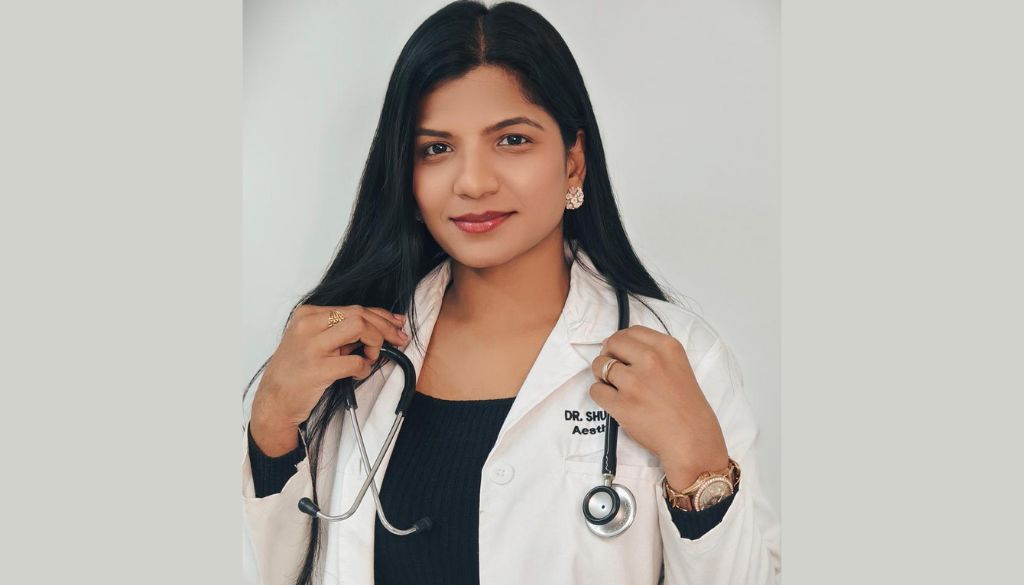
By Dr. Shubhangi Rajgir, Aesthetic Injector (Botox, Fillers, Thread-lifts; Pune & Bilaspur)
Pune, 14th November 2025: India’s aesthetic landscape has rapidly shifted from a niche interest to an accepted part of everyday self-care. More people now seek treatments not to change how they look, but to feel refreshed, camera-ready, and confident in both professional and social spaces. As an aesthetic injector working in Pune and Bilaspur, this shift is evident every day—patients opting for subtle, safe, and thoughtful treatments that focus on skin health and natural balance rather than dramatic transformations.
From taboo to thoughtfully mainstream
Three factors are driving this evolution. The first is access: qualified medical providers and regulated products are now available across metros and Tier-2 cities.
The second is awareness: open conversations about Botox, fillers, medifacials, and skin-tightening treatments have made patients more informed and more comfortable asking the right questions.
The third is outcomes: modern techniques rely on micro-dosing, layering, and skin-quality enhancement to achieve a fresh, well-rested look. The goal is no longer “perfection,” but poise—looking like yourself on your best day.
Confidence, not overcorrection
Healthy confidence begins with good skin texture, tone, and luminosity. When the skin reflects light evenly, people appear healthier and more energetic. A typical treatment plan follows a gradual, conservative sequence:
Barrier repair: sunscreen, gentle actives, and clinic-grade medifacials to improve hydration and clarity without downtime.
Texture and tone: controlled peels or microneedling for pores, acne marks, and dullness, using pigment-safe protocols designed for Indian skin.
Subtle harmonization: micro-dosed neuromodulators for expression lines and conservative hyaluronic-acid fillers to restore contours and enhance lip hydration without stiffness or overfilling.
When done well, these treatments do not draw attention. Instead, they create quiet improvements—smoother makeup, softer selfies, and the confidence to walk into a meeting without worrying about under-eye fatigue. The psychological impact is significant: predictable, natural results help people re-engage in daily life with less hesitation, whether it’s presenting, dating, or networking.
The India advantage
India’s aesthetic ecosystem has matured quickly, offering patients access to high-quality products and well-trained practitioners who prioritize safety, consent, and personalization. This has led to more consistent results across diverse skin types and locations. It also encourages transparent discussions about what is effective, how many sessions are needed, and what kind of maintenance is realistic.
Safety is non-negotiable
Sustained confidence comes from safe and ethical practice. Patients should verify credentials, understand the source of products, and choose a plan that matches their skin biology, lifestyle, and budget. Warning signs include price-focused pitches, “template” results, or claims of permanent outcomes from injectables. Positive indicators include photographic mapping, conservative dosing, staged reviews after 2–4 weeks, and honest conversations about side-effects, aftercare, and longevity. In my clinics, all treatments are individualized and supported by photographic documentation to ensure natural results and accountability.
What patients tell me
Most feedback is not “I look different,” but “I feel put together.” A mid-career professional who once avoided video calls now handles client discussions confidently after treating under-eye hollows and skin dullness. A bride-to-be struggling with acne marks felt comfortable wearing minimal makeup at her ceremonies after three months of skin-quality treatments. These are not dramatic transformations—they are lifestyle improvements that help patients regain control.
Looking ahead
India is emerging as a major growth hub for aesthetics, giving patients access to better technologies, greater transparency, and higher training standards. For clinicians, the responsibility is to channel this momentum into treatments that respect Indian skin diversity, emphasize subtlety, and prioritize long-term skin health. When approached with care, aesthetics becomes more than vanity—it becomes a practical extension of everyday confidence.
Note: This article is informational and does not replace an in-person consultation. Treatment plans and results vary based on individual skin biology and goals.