Maharashtra Education Department Orders Fear-Free School Environment, Bars All Punishments
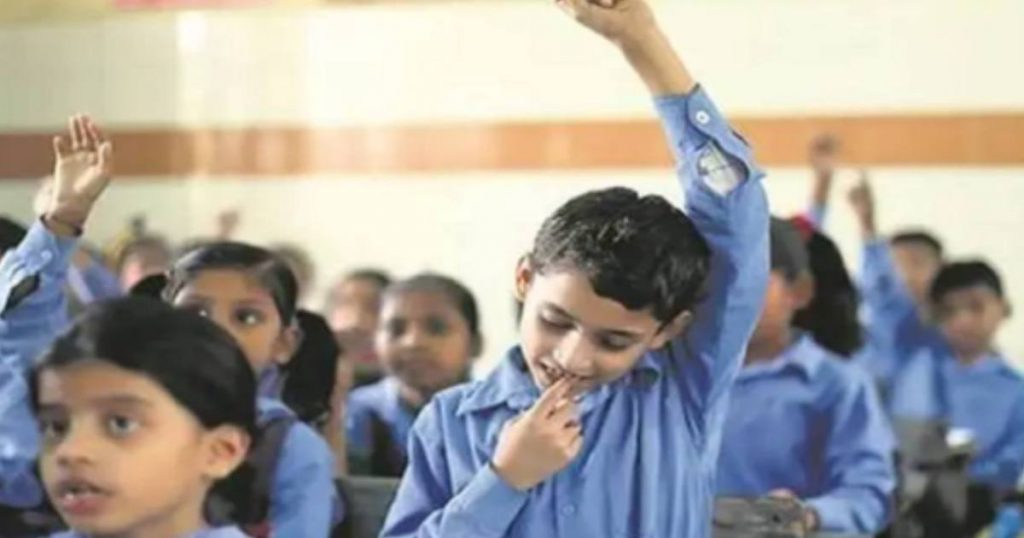
Pune, 16th December 2025: In a sweeping step aimed at strengthening child safety in schools, the Maharashtra Education Department has rolled out fresh directions that completely prohibit the use of physical force or psychological pressure on students. The decision follows a series of troubling incidents in recent months that sparked public anger and compelled the authorities to tighten oversight of school practices.
According to the revised framework, no school staff member is permitted to subject students to any form of corporal punishment or mental harassment. The prohibition extends to teachers, principals, non-teaching employees and management authorities, and applies uniformly to government, aided and privately managed schools. The department has underlined that educational institutions must function as secure and non-threatening spaces for children.
The instructions mandate immediate action in case of violations. If an incident involving physical or mental abuse comes to light, the school is required to lodge a police complaint within 24 hours. Any delay, concealment or attempt to influence the complaint process will expose the management, including the headmaster or principal, to criminal proceedings.
The department has also spelt out what will be treated as punishable conduct. Physical abuse covers acts such as striking, slapping, caning, forcing students to stand or kneel for extended periods, or depriving them of basic necessities like food or drinking water. Mental harassment includes scolding in an abusive manner, public humiliation, issuing threats, intimidating behaviour, social isolation, compelling students to perform demeaning tasks, or imposing excessive academic pressure intended to instil fear or shame.
Schools have been advised to do away with disciplinary methods that rely on embarrassment or intimidation, including reprimanding students in front of their peers. Officials have stressed that discipline should guide and correct behaviour, not traumatise children.
To improve monitoring and accountability, schools have been directed to ensure that CCTV cameras are installed and kept operational in classrooms and shared spaces wherever possible. Institutions must also clearly display details of grievance redressal mechanisms and inform students and parents about how and where complaints can be raised. Proper documentation of complaints and follow-up action is mandatory.
Significantly, the responsibility for compliance rests squarely with school managements. In the event of an incident, authorities will examine whether there were failures in supervision or safety protocols. In grave cases, action may be initiated under applicable child protection laws.
The Education Department has said the move is in line with existing legal safeguards, including the Right of Children to Free and Compulsory Education Act, 2009, and national child safety norms. The larger aim, officials said, is to protect students’ dignity and emotional well-being within the school environment.
Parents have been encouraged to report any suspected misconduct without delay, with the assurance that complaints will be handled seriously. Schools, meanwhile, have been urged to adopt positive and child-friendly disciplinary approaches centred on counselling, communication and emotional support rather than punishment.