Pune Developer Flags Systemic Failures Behind Mumbai–Pune Expressway Traffic Chaos
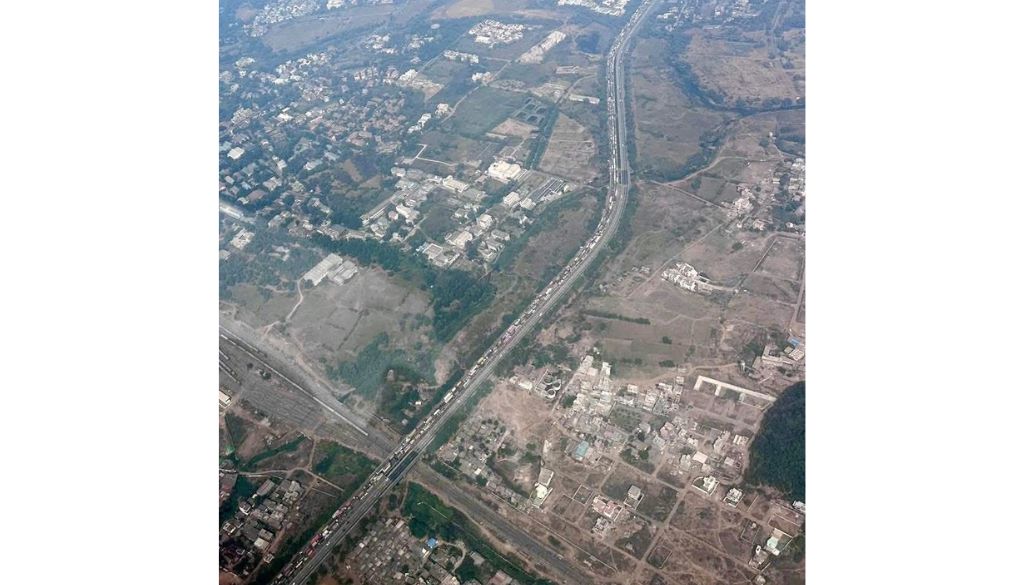
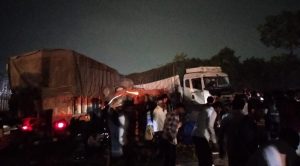
Pune, 5th February 2026: A leading Pune-based developer and citizen activist has written to the Maharashtra government urging urgent enforcement-led reforms on the Mumbai–Pune Expressway after a recent 30-hour traffic paralysis exposed what he called “systemic failures” in lane discipline and on-ground monitoring.
In a formal appeal addressed to Chief Minister Devendra Fadnavis and senior officials from the Home, Transport and Public Works Departments, Kapil Gandhi described the massive gridlock as unprecedented and avoidable, stating that infrastructure expansion alone cannot solve recurring congestion without strict behavioural enforcement.
According to Gandhi, the core problem lies not in the number of lanes but in how they are used. He pointed out that heavy commercial vehicles frequently occupy fast lanes, particularly on inclines and ghat sections, blocking the movement of lighter vehicles and triggering long moving bottlenecks. At the same time, taxis and private vehicles often cruise at low speeds in overtaking lanes without yielding, creating what traffic experts refer to as “phantom jams” even when no accidents occur.
“The laws already exist. The failure is in sustained enforcement, not in road width,” Gandhi stated in his appeal.
He warned that without discipline, even new expressways and missing links will only postpone congestion rather than eliminate it. He also raised concerns that taxpayers and toll-paying commuters are being burdened with higher costs while low-cost, high-impact enforcement measures remain underused.
Phased Action Plan Proposed
Gandhi suggested a three-phase, cost-effective plan focusing on governance before expansion:
Phase 1 (0–3 months):
Immediate enforcement of lane discipline, strict prohibition of heavy vehicles in overtaking lanes, fines for slow-moving vehicles blocking fast lanes, and visible highway patrols focused on behaviour rather than only speed checks.
Phase 2 (3–9 months):
Technology-based monitoring using cameras to detect lane violations, automated challans linked to commercial vehicle permits, and public dashboards showing enforcement data to ensure transparency.
Phase 3 (Medium Term):
Targeted infrastructure only where unavoidable — such as ghat sections and accident-prone stretches — along with emergency lay-bys and better hazardous material response systems.
He stressed that expansion should follow discipline-led optimisation of existing road capacity, not precede it.
Economic, Safety and Environmental Concerns
Calling the issue one of national importance, Gandhi linked traffic gridlocks to economic productivity loss, public safety risks, environmental damage, and erosion of citizens’ dignity and time.
“Discipline is the cheapest infrastructure upgrade available,” he wrote, offering support from citizen groups and professional bodies to assist authorities in implementing the reforms.
The Mumbai–Pune Expressway, one of India’s busiest and most critical transport corridors, has witnessed repeated traffic snarls in recent months, often lasting several hours. Commuters and logistics operators have increasingly voiced frustration over unpredictable delays, especially after accidents or tanker breakdowns.
Officials from the Maharashtra government have not yet publicly responded to Gandhi’s appeal.