Pune: India’s First AI-Driven Sugarcane Farming Experiment Succeeds In Baramati
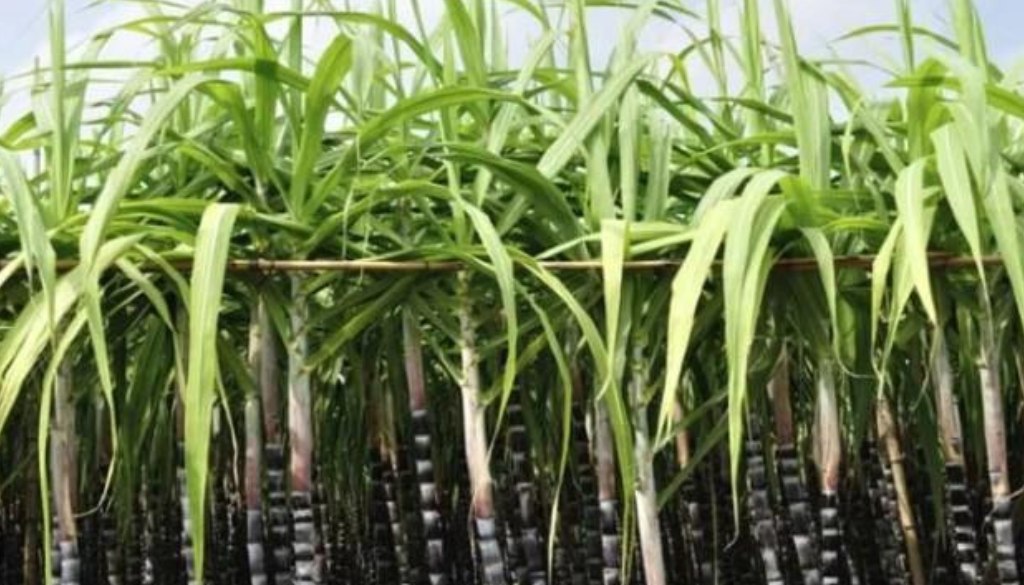
Baramati, 15th March 2025: In a groundbreaking initiative, the Agricultural Development Trust in Baramati has successfully implemented Artificial Intelligence (AI) in sugarcane farming, marking the first such experiment in India. Conducted at the Krishi Vigyan Kendra’s (KVK) research fields, the project has demonstrated remarkable results, including a 40% increase in yield and a 30% reduction in both costs and water usage.
The initiative, undertaken in collaboration with Microsoft and Oxford University, was spearheaded by senior leader Sharad Pawar and Prataprao Pawar, chairman of Sakal Media Group and trustee of the Agricultural Development Trust. Last year, two separate sugarcane plots were cultivated—one using AI-based techniques and the other following traditional farming methods—to compare their effectiveness.
The experiment included six varieties of sugarcane—CO 86032, CO M 265, MS 10001, PDN 15012, CO VSI 8005, and CO VSI 18121. Of these, three varieties have already been harvested, yielding 104 to 150 tons per acre. The AI-monitored crops exhibited superior growth, with CO M 265 producing 150.10 tons per acre, PDN 15012 yielding 120.40 tons, and CO VSI 8005 generating 104.78 tons—a 40% increase compared to conventional methods.
By leveraging AI, weather station sensors and satellite mapping continuously monitored crop conditions, including soil moisture, nutrient levels, and climate variations. The AI system provided precise recommendations for fertilizer and irrigation, ensuring optimal plant growth while preserving soil health.
The results were striking—AI-managed sugarcane plants reached an average height of 24.1 feet, with individual stalks weighing 4.56 kg, compared to 18.6 feet and 2.5 kg in traditional farming. Moreover, organic carbon content in AI-managed soil remained at 1.0%, while it was only 0.68% in traditional fields.
Encouraged by this success, the Agricultural Development Trust has extended the AI-driven farming model to 1,000 farmers and plans to implement it on a larger scale across farmer groups and villages. Experts believe this innovation could revolutionize Indian agriculture, ensuring higher yields, reduced costs, and sustainable farming practices.