UAE Withdraws From Rafale F5 Project, Raising Questions on Defence Partnerships
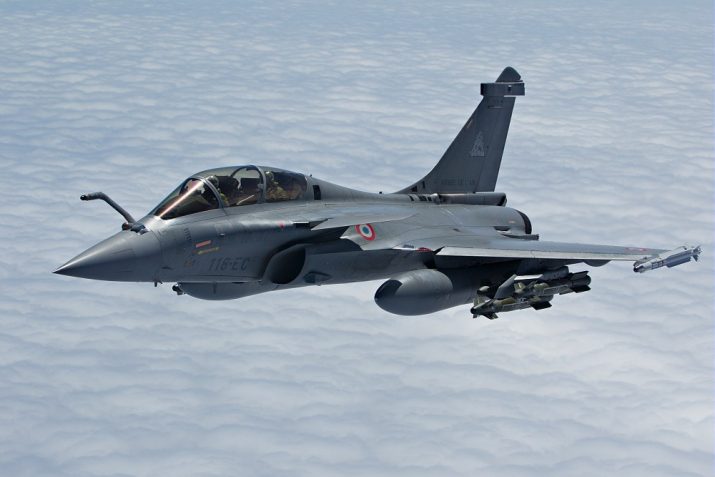
Dubai, 6th April 2026: The United Arab Emirates has withdrawn from a multi-billion-euro agreement to co-finance the development of the Rafale F5 advanced fighter jet with France, following months of deadlock over technology transfer and access to sensitive systems.
The now-collapsed arrangement would have seen Abu Dhabi contribute roughly €3.5 billion toward the estimated €5 billion development cost of the next-generation Rafale variant. With the Emirati exit, France will be forced to fund the ambitious programme independently, placing additional strain on its defence budget and potentially delaying timelines.
At the heart of the disagreement was the UAE’s demand for deeper participation in the programme, including access to critical technologies and source codes, particularly in areas such as optronics, radar systems, and electronic warfare. French authorities, however, were unwilling to share these sensitive capabilities, citing concerns over safeguarding strategic and sovereign defence technologies.
Negotiations between the two sides reportedly deteriorated after a high-level meeting between French President Emmanuel Macron and UAE President Mohamed bin Zayed Al Nahyan failed to resolve differences, with both sides unable to align on the scope of industrial participation and technology access.
The Rafale F5, often described as a “Super Rafale,” represents a major leap beyond incremental upgrades. It is expected to feature next-generation sensors, enhanced electronic warfare systems, improved engines, and the ability to operate alongside unmanned combat drones in a networked battlefield environment. The platform is also being designed to carry advanced weapons, including future hypersonic systems, making it central to France’s long-term airpower strategy.
The collapse of the co-financing deal marks a significant setback in what has otherwise been a strong defence partnership. The UAE remains one of France’s largest arms customers, having previously signed a landmark deal for 80 Rafale jets worth around €16 billion. However, the latest episode underscores growing friction between arms exporters seeking to protect intellectual property and buyers increasingly demanding technology transfer and co-development rights.
Strategically, the decision reflects a broader shift in global defence dynamics, where countries like the UAE are no longer content with off-the-shelf purchases and are pushing for greater industrial and technological participation. France, on the other hand, appears determined to prioritise technological sovereignty, even at the cost of increased financial burden.
With Paris now set to shoulder the entire cost of the Rafale F5 programme, analysts say the development could reshape future defence collaborations, particularly in high-end aerospace projects where access to proprietary technology remains a key sticking point.