Why should Vastu be integral to Interior design?
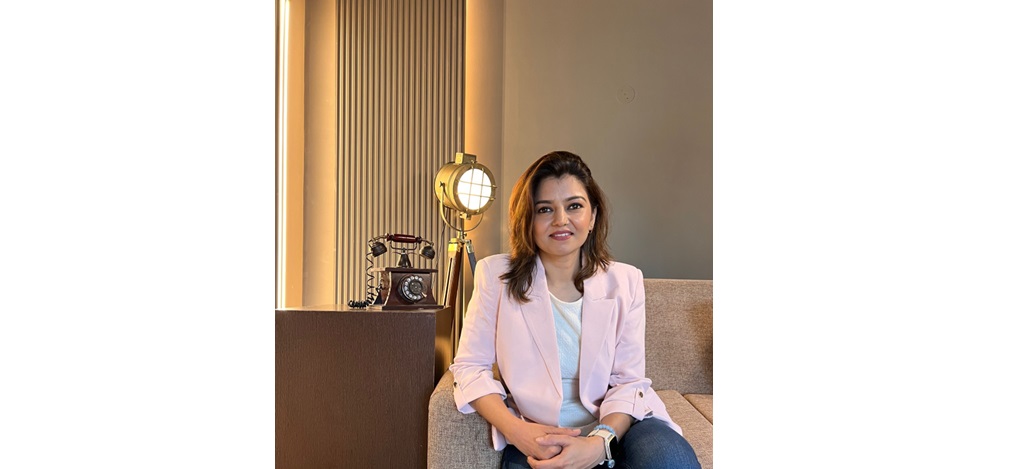
By Kuntal Vyas Aggarwal
Pune, 24th December 2024: Rooted in ancient Indian architectural science, Vastu is the key to building spaces that resonate with positive energy, fostering a harmonious relationship between individuals and their living environments. As the world embraces diverse design principles, integrating Vastu into interior design is a compelling necessity, enriching spaces with balance, tranquillity, and well-being.
At the core of Vastu philosophy is an emphasis on connectivity between individuals and their surroundings. Every aspect should be meticulously considered, from the orientation of rooms to the placement of furniture, to channel positive energy and balance the forces of nature.
One of the most compelling reasons to incorporate Vastu is its ability to bridge ancient wisdom with modern living aspirations. While contemporary design often prioritises style and functionality, Vastu adds a layer of mindfulness, guiding designers and homeowners towards spaces that look and feel good.
Vastu acts as a supportive methodology rather than a strict fix for common design dilemmas. It guides the optimal positioning of elements like doors, windows, and furniture, facilitating unimpeded energy flow within a space. This thought-out method can deeply affect the ambience and mood, fostering a relaxing, creative, and positive environment for those within.
Integration of Vastu into interior design transcends cultural boundaries, offering universal principles that resonate with the fundamental elements of nature. As society acknowledges the profound influence of the built environment on mental and emotional health, Vastu emerges as a subtle influencer, gently directing designers and homeowners towards spaces characterised by harmony and equilibrium.
Vastu enhances a space’s meaning, reminding us that good design goes deeper than looks. It creates peace, calmness, and a sense of connection. By combining old wisdom with modern ideas, Vastu fills spaces with positive energy, making them places for well-being and wholeness.
(About author: Kuntal Vyas Aggarwal, a design and technology prodigy, founded Resaiki Interiors and Architecture Design Studio in 2011, an architecture and interior design firm that enriches lives with holistic spaces. She has expertise in diverse design domains and has led over 100 projects across 7+ cities in India and Nepal. Kuntal has completed her design education at the reputed Bhanuben Nanavati College of Architecture in Pune.)